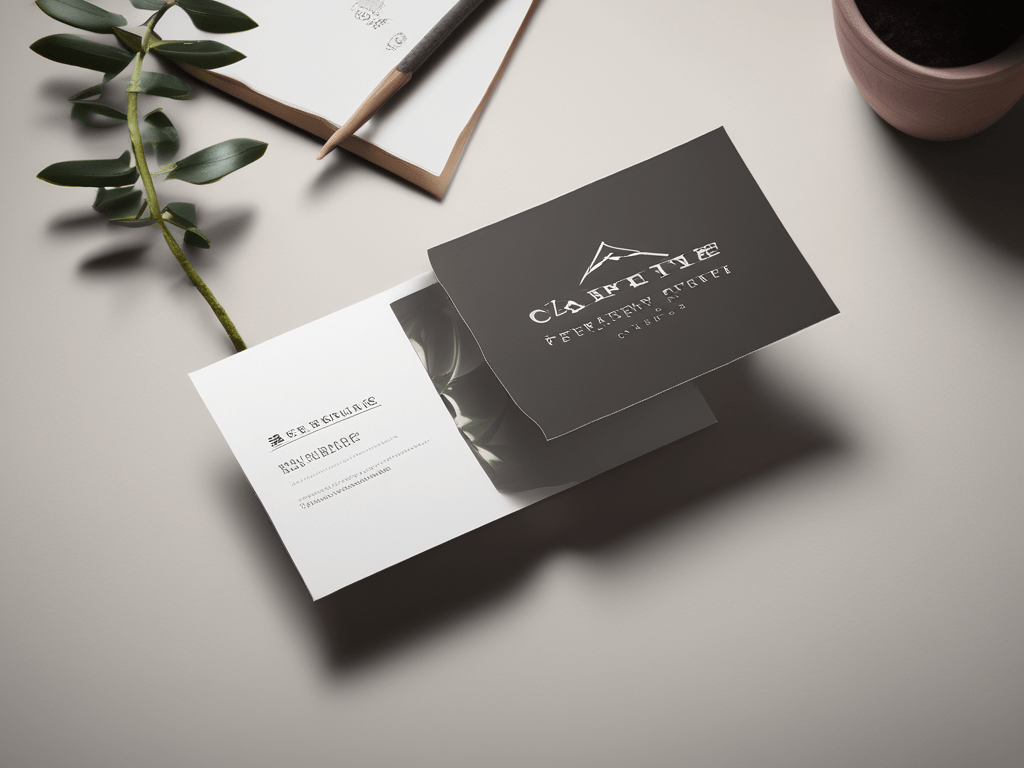
Very often your business card is the first point of contact a person has with you and your organization. First impressions are very important. Business cards are a fundamental part of our business toolkit yet they are often undervalued or overlooked.
A well designed business card is a powerful tool in making a positive first impression and effectively communicating your brand’s message. Following are some key points to consider when creating a business card to ensure it serves its purpose effectively.
Key Elements of a Business Card
- Design and Layout
- Simplicity: Keep the design clean and uncluttered. Too much information or an overly complex design can be overwhelming.
- Branding: Incorporate your company’s logo and color scheme to ensure consistency with your brand identity.
- Legibility: Choose fonts and colors that are easy to read. Avoid small text and overly ornate fonts.
2. Essential Information
- Name and Title: Clearly state your name and job title. This helps the recipient remember who you are and your role within the company.
- Company Name and Logo: These should be prominently displayed to ensure brand recognition.
- Contact Information: Include your phone number, email address, and physical address (if relevant). Make sure these details are up-to-date and correct.
- Website and Social Media: Provide links to your website and professional social media profiles to offer additional ways to connect.
3. Additional Features
- Back Side: Utilize the back side of the card for additional information, such as a company tagline, a QR code, or a brief list of services offered.
- Quality Material: Choose a high-quality card stock. The feel of the card can make a lasting impression and reflect the quality of your business.
- Special Finishes: Consider finishes like embossing, foil stamping, or matte coating to make your card stand out.
20 Ways to Promote Your Business Online With Business Cards
- Digital Business Card: Create a digital version of your business card to share via email or social media.
- Email Signature: Include your business card in your email signature for easy sharing.
- Social Media Posts: Post images of your business card on your business’s social media profiles.
- QR Codes: Add a QR code to your business card that links to your website, social media profiles, portfolio,or a special offer landing page.
- Website Banner: Feature your business card on your website’s homepage.
- Online Directories: Upload your business card to online business directories.
- Networking Sites: Share your business card on professional networking sites like LinkedIn.
- E-Newsletters: Include your business card in your e-newsletter campaigns.
- Online Ads: Use your business card design in online advertising campaigns.
- Virtual Conferences: Share your digital business card in virtual conference chats and forums.
- Email Marketing: Attach your business card to email marketing campaigns.
- Digital Signature Services: Use services like DocuSign to attach your digital business card to documents.
- PDF Documents: Embed your business card in PDF proposals and reports.
- Online Portfolios: Include your business card in your online portfolio.
- YouTube Videos: Display your business card in your YouTube video intros or outros.
- Blog Posts: Embed an image of your business card in relevant blog posts.
- Online Flyers: Use your business card in digital flyers and promotional materials.
- Virtual Meetups: Share your digital business card in virtual meetups and webinars.
- Freelance Platforms: Upload your business card to profiles on freelance job platforms.
- Customer Support Emails: Include your business card in customer support email responses.
10 Ways to Promote Your Business Off-line With Business Cards
- Print useful information relating to your business on the back of your business cards. People will keep them longer. For example, if you sell jewelry you can print the birthstone chart or you can share your company’s mission statement, you can print your guarantee, or your favorite quote.
- Distribute your business card at networking events and trade shows as well as at your speaking engagements.
- Print a coupon or an introductory offer on the back of your business card.
- Use the back of your business card to print tickets or invitations to the next event you host.
- Depending on your type business you can leave your business card on public counters or bulletin boards.
- Give each of your clients or customers a handful of cards to hand out to their acquaintances.
- Get non-competing businesses to give out your business card and you do the same for them.
- Include your business card in direct mail campaigns.
- Add your business card to the packaging of your products.
- Place business card holders in high-traffic areas where potential clients can grab one.
Impact of a Business Card
A well-crafted business card does more than just provide contact information; it conveys professionalism, attention to detail, and a commitment to your brand. It’s a small but mighty ambassador for your business, working tirelessly to leave a lasting impression and facilitate future interactions. By investing time and thought into your business card design, you’re investing in a tool that can help foster and maintain important professional relationships.
What are the different ways you promote your business or organization?
Submit your email to receive Life Notes plus More blogs relating to home-based businesses and proven business promotion tips and strategies.

 Life Notes Plus More